
Roof Inspections When Purchasing a Home: Understanding the Roof Inspection Process
- Buckeye Inspection Services
- 3 days ago
- 3 min read

Buying a home is exciting, but it can also be overwhelming. One of the most important steps you should never skip is a thorough roof inspection. The roof protects your entire investment, so knowing its condition before you buy is crucial. I’ve learned that understanding the roof inspection process can save you thousands and prevent future headaches.
Why the Roof Inspection Process Matters
When you’re looking at a house, it’s easy to focus on the kitchen, the yard, or the number of bedrooms. But the roof? It’s often overlooked until a leak or damage appears. The roof inspection process helps you uncover hidden problems that could cost a lot to fix later.
A professional inspector will check for:
Missing or damaged shingles
Signs of water damage or leaks
Structural issues with the roof deck
Proper installation and ventilation
Age and expected lifespan of the roof
Knowing these details helps you negotiate repairs or price adjustments. It also gives you peace of mind that you’re not buying a money pit.

What Happens During a Roof Inspection?
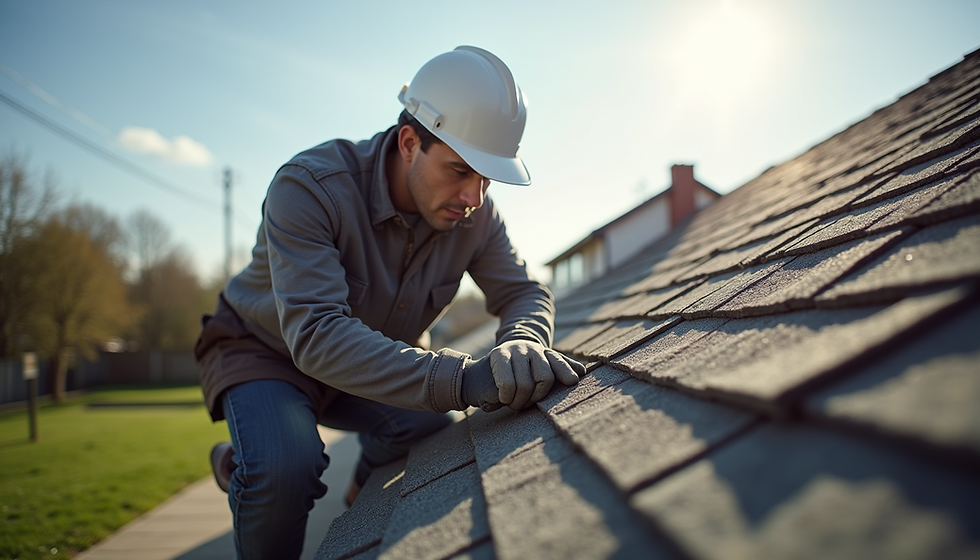
The roof inspection process is more than just a quick look from the ground. A qualified inspector will:
Examine the exterior - They’ll walk the roof if safe, checking shingles, flashing, gutters, and chimneys.
Look inside the attic - This helps spot leaks, mold, or poor ventilation.
Assess the roof’s age and materials - Different materials have different lifespans and maintenance needs.
Check for structural issues - Sagging or uneven areas can indicate problems with the roof deck or supports.
Document findings - You’ll get a detailed report with photos and recommendations.
This thorough approach ensures nothing is missed. It’s not just about spotting current problems but also identifying potential future issues.
What is the 25% Rule in Roofing?
One important guideline inspectors use is the 25% rule. It’s simple but powerful. If more than 25% of your roof’s shingles are damaged or missing, the roof likely needs a full replacement rather than just repairs.
Why does this matter? Because patching up a roof with extensive damage is often a short-term fix. You’ll end up paying twice—once for repairs and again for replacement sooner than expected.
Understanding this rule helps you make smarter decisions. If the roof fails the 25% rule, you can negotiate with the seller or plan for a replacement budget.
How to Use a Roof Inspection Report When Buying a Home
Once you have your roof inspection report, what’s next? Here’s how to make the most of it:
Review the findings carefully - Look for any urgent repairs or safety concerns.
Ask questions - If something isn’t clear, don’t hesitate to ask your inspector for more details.
Get repair estimates - Use the report to get quotes from roofing contractors.
Negotiate with the seller - You can request repairs, a price reduction, or credits based on the report.
Plan for future maintenance - Even if the roof is in good shape, regular upkeep is key to extending its life.
Remember, a roof inspection for home purchase is an investment in your future. It helps you avoid surprises and make confident decisions.

Tips for Choosing the Right Roof Inspector
Not all roof inspections are created equal. Here’s what I recommend when picking an inspector:
Look for experience and certifications - Choose someone who specializes in residential roofs and has proper credentials.
Check reviews and references - Past clients’ feedback can tell you a lot.
Ask about their inspection process - Make sure it includes both exterior and attic checks.
Request a sample report - This shows how detailed and clear their findings will be.
Avoid inspectors who also do repairs - You want an unbiased opinion, not a sales pitch.
A good inspector is your ally in the home buying process. They provide the facts you need to protect your investment.
Final Thoughts on Roof Inspections When Buying a Home
A roof inspection is not just a formality. It’s a critical step that can save you money and stress. By understanding the roof inspection process, the 25% rule, and how to use your inspection report, you’re better equipped to make smart choices.
If you’re buying a home in Central Ohio or anywhere in the Buckeye state, don’t skip this step. A thorough roof inspection can be the difference between a dream home and a costly mistake.
For more detailed guidance, consider scheduling a roof inspection for home purchase with a trusted local professional. It’s a small step that makes a big difference.
Investing in a roof inspection means investing in your peace of mind and the long-term value of your home.


Comments